
The role of valves in your compressed air system and when to replace them
Valves play an important role in the operation of a compressed air system. They control the movement of air and help maintain stable pressure, temperature, and overall compressor performance.
Like all mechanical components, valves experience wear over time. Regular servicing and valve replacement help maintain compressor efficiency and reduce the risk of unexpected faults or system downtime.
Understanding the role of valves in your compressor
The valves in your compressor serve various functions:
Inlet valves
Control the intake of air into the compressor. Their operation directly influences compressor capacity and power consumption.
Minimum pressure valves
Maintain pressure inside the sump during startup. This helps ensure proper oil circulation and prevents backflow into the airend.
Solenoid valves
Control the flow of air within the compressor system and help regulate pressure within the air receiver.
Thermostatic valves
Regulate operating temperature by controlling oil flow, helping the compressor maintain stable operating conditions.
Over time, these valves can wear due to heat, pressure cycling and normal mechanical operation, which can reduce compressor efficiency and affect system performance.
Recommended valve replacement schedule
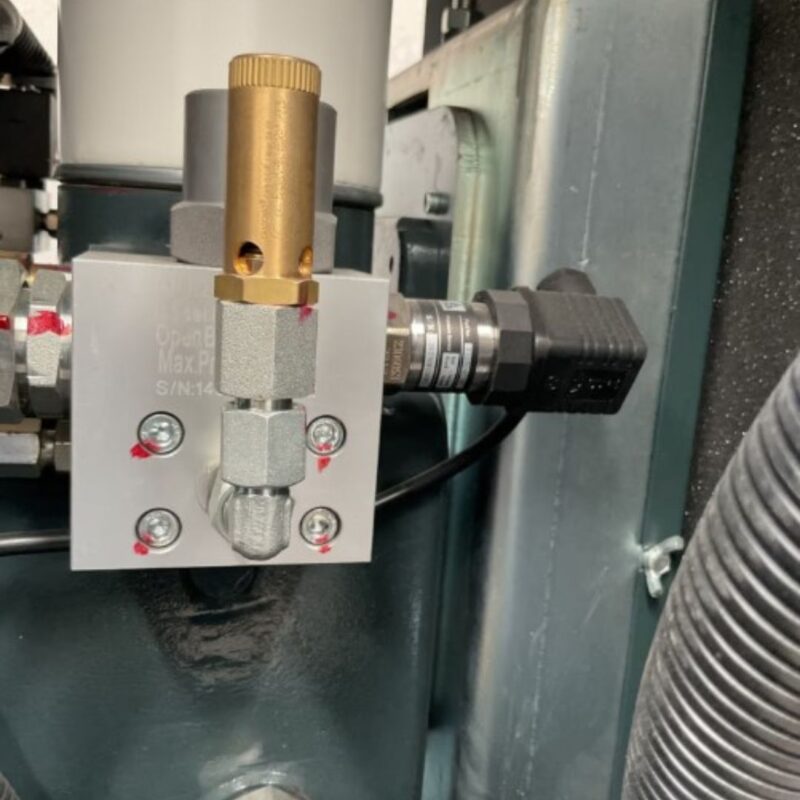
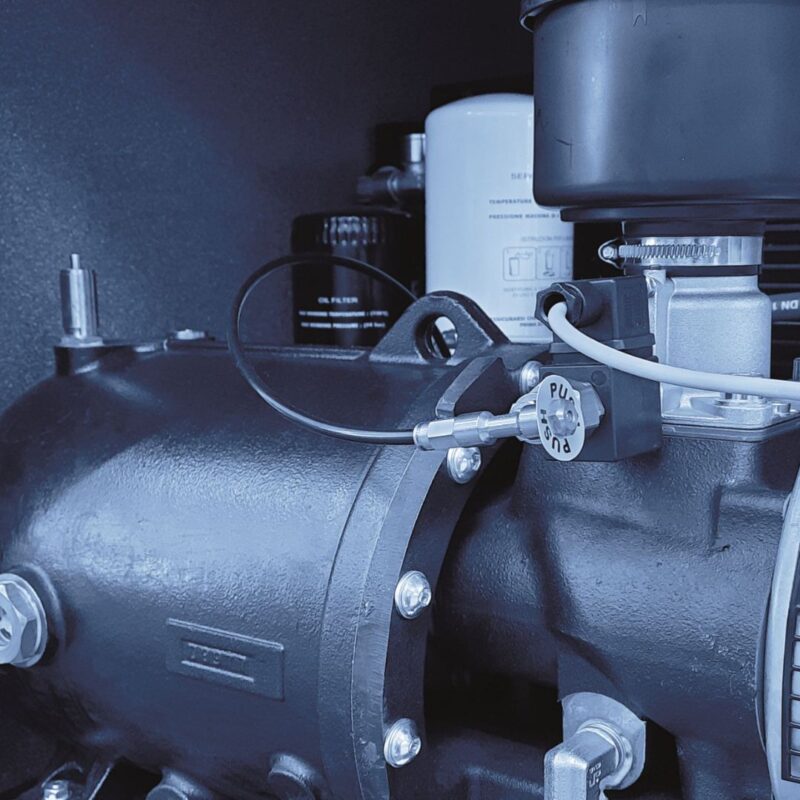
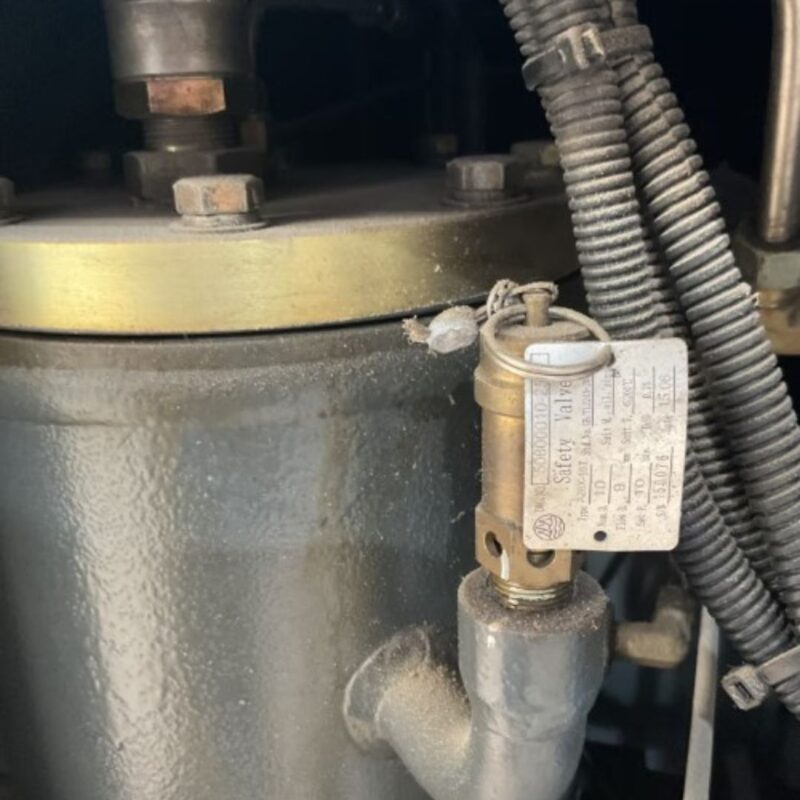
Most compressor valves, including intake valves, thermostatic valves, solenoid valves and minimum pressure valves, have an average service life of around 8,000 operating hours. However, replacement should be based on the manufacturer’s recommendations for each valve.
During routine servicing, our technicians inspect these components and may recommend replacement based on operating hours, condition, and manufacturer guidelines.
Replacing valves at the recommended intervals helps maintain compressor performance and reduces the likelihood of unexpected breakdowns or system failures.
Risks of delaying valve replacement
Allowing worn valves to remain in service can lead to several operational issues.
Increased power consumption
Worn or sticking valves can cause compressors to run less efficiently, increasing energy usage.
Unexpected system downtime
Valve failures can lead to compressor faults or shutdowns, interrupting production.
Damage to other compressor components
Faulty valves can contribute to issues such as high operating temperatures, unstable pressure, or poor oil circulation, potentially affecting other parts of the compressor.
Benefits of scheduled valve servicing
Maintaining a regular compressor servicing schedule helps keep valves operating as they should and allows potential issues to be identified before they lead to system problems.
Improved system efficiency
Properly functioning valves help compressors run at their intended performance levels.
Reduced risk of breakdowns
Proactive replacement lowers the chance of sudden valve failures.
Longer compressor lifespan
Regular servicing helps prevent issues that could damage other critical compressor components.
Prolonging the life of compressor valves
A few practical steps can help extend the lifespan of valves in your compressed air system.
- Schedule regular servicing: Routine compressor servicing helps identify valve wear early and prevent small issues from developing into larger system faults.
- Monitor system performance: Keep an eye on operating temperatures, pressure levels and power consumption, as changes can indicate developing valve or system issues.
- Follow the manufacturer’s maintenance schedule: Adhering to recommended service intervals and replacement guidelines helps maintain reliable compressor operation.
Regular servicing and system monitoring help keep compressor valves operating reliably and reduce the risk of unexpected system faults.
Contact Nessco Pressure Systems
For more information about valve servicing and replacement, or to schedule a compressor inspection, contact our service team at on 1300 290 638, email info@nesscopressure.com.au or head to our contact us page.
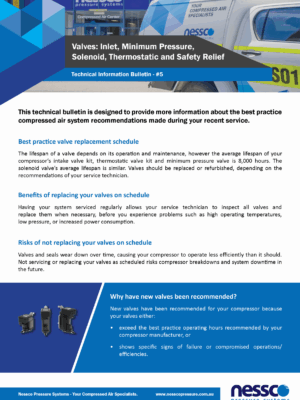
Supporting our compressed air recommendations with facts
We provide access to technical bulletins on a wide range of compressed air topics, including our valve technical bulletin. The aim is to help customers understand the reasons behind our best practice advice.
These technical bulletins outline:
- The role of each compressor component
- Signs of deterioration
- Suggested replacement intervals
- Risks of failure or not replacing components on schedule
The resources we provide support our recommendations, help you understand why replacements have been recommended (even when they still seem to be working) and help you make more informed decisions.